By Jennifer
November 9, 2026
Boulders can make a dramatic difference in the appearance and functionality of an outdoor space. Whether incorporated into a garden, used to create natural-looking borders, or positioned as decorative focal points, these substantial landscape features bring texture, dimension, and visual interest to a property. Their natural shapes and varied colors also make them useful for creating outdoor environments that feel connected to the surrounding landscape.
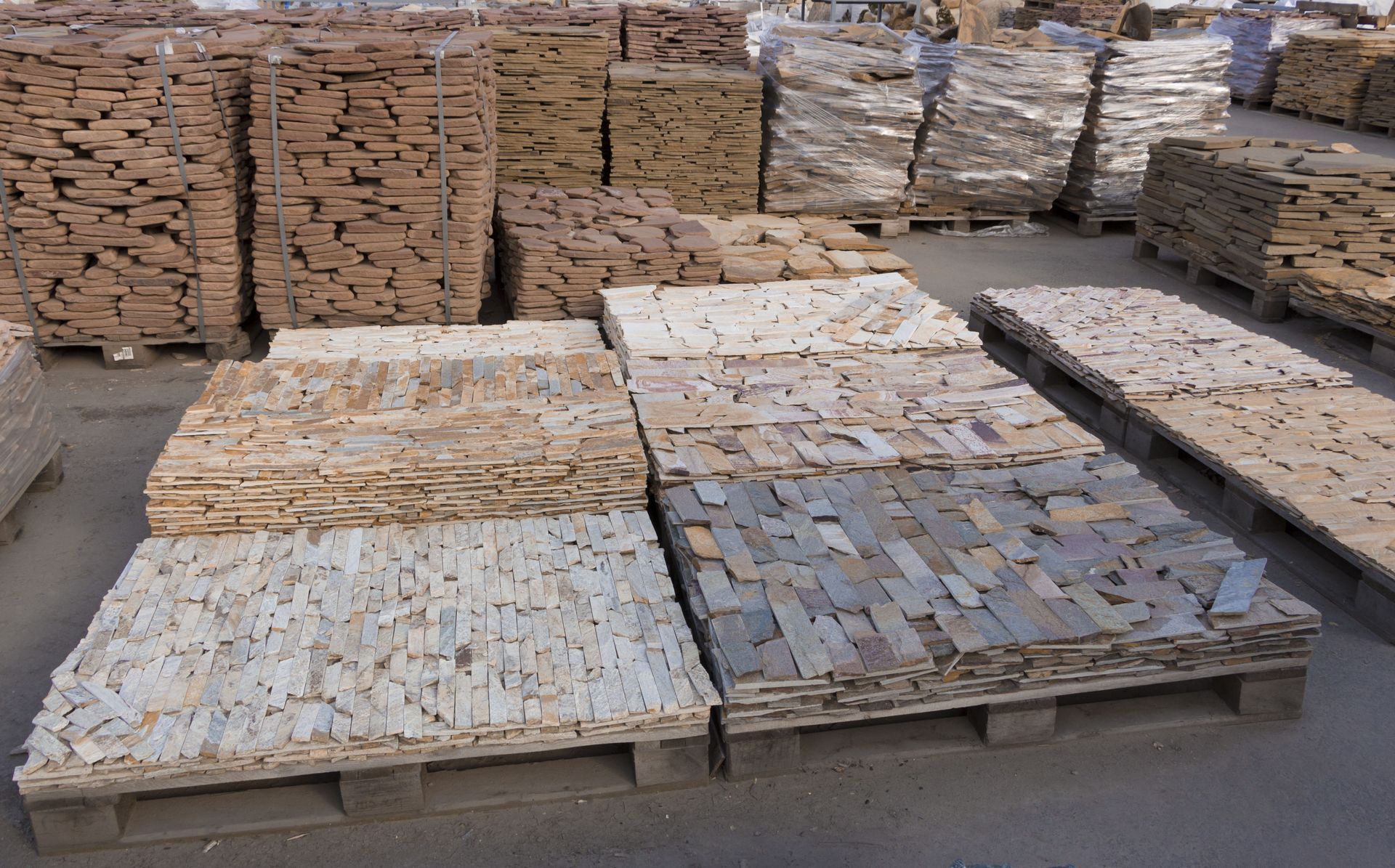
However, selecting the right boulders involves more than choosing attractive stones. Homeowners must consider the material, size, placement, and overall design of their outdoor spaces. Understanding these factors helps ensure that each stone contributes to the intended appearance without creating unnecessary maintenance or installation challenges. Exploring available rock supplies can also help property owners identify materials that complement their landscaping goals and provide lasting visual appeal.
Understanding Different Types of Landscape Boulders
Landscape boulders come in various natural stone varieties, each offering distinct colors, textures, and characteristics. Granite is a popular option because of its durability and recognizable speckled appearance. Its neutral coloring works well with many landscaping styles, making it suitable for garden accents, retaining features, and decorative arrangements. Granite can also withstand outdoor exposure, making it a practical choice for long-term landscape projects.
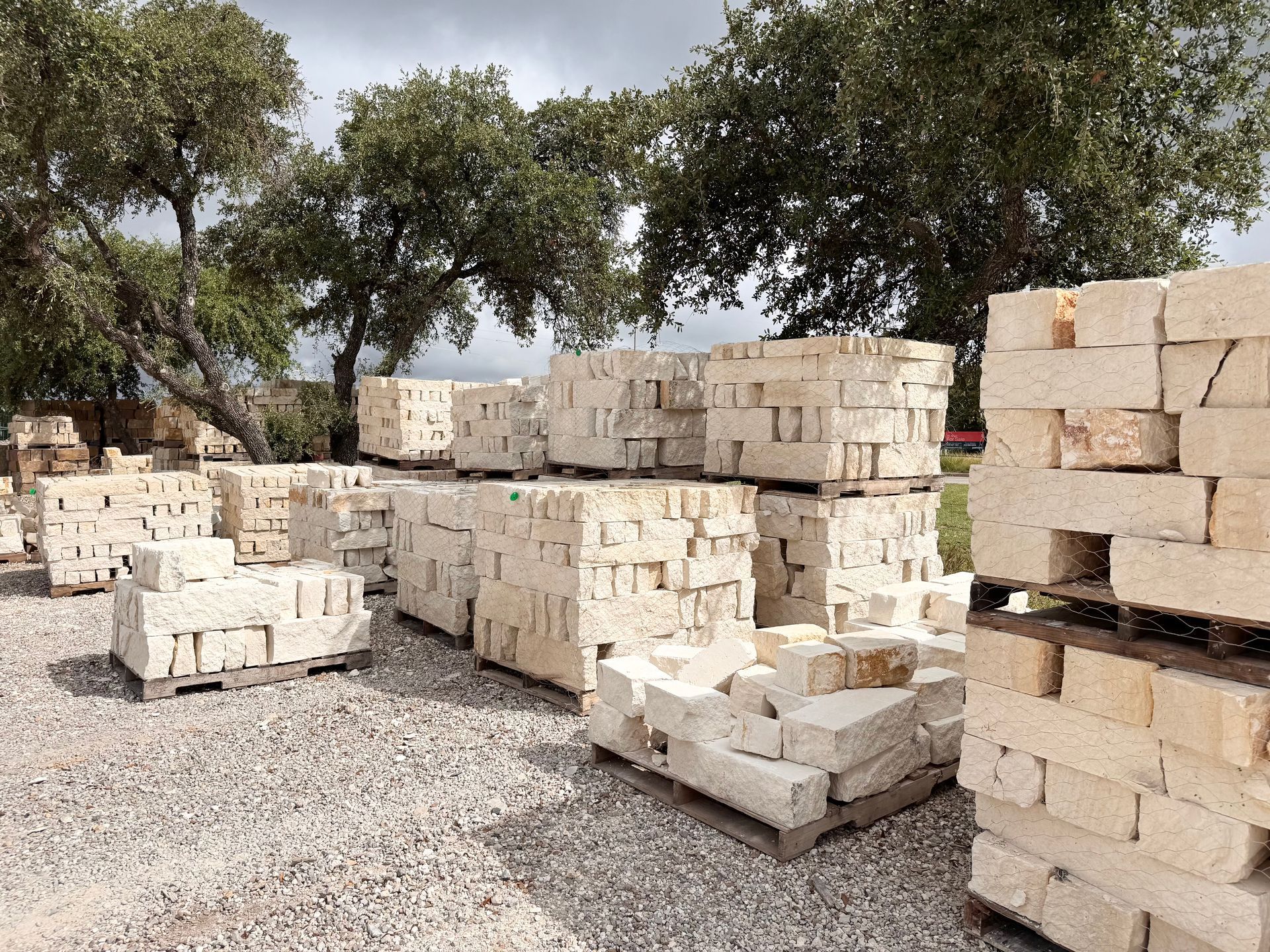
Limestone offers a different appearance, often featuring lighter shades of gray, cream, and beige. Its softer visual texture can complement traditional gardens, natural stone pathways, and properties with understated landscaping. Sandstone is another option, providing warm earthy colors and distinctive surface patterns.
The surrounding environment should influence the type of stone selected. A property with abundant greenery may benefit from darker boulders that create contrast, while lighter stones can brighten shaded garden areas. When comparing rock supplies, consider how each material will look alongside existing landscape elements rather than evaluating individual stones in isolation.
Selecting Boulders With Appropriate Sizes
Size plays an important role in determining how boulders function within a landscape. Smaller stones can provide subtle decorative accents, while larger pieces create visual weight and establish prominent focal points. The available space, surrounding vegetation, and intended purpose should guide the selection process. A boulder that looks impressive in an open yard might overwhelm a compact garden or obstruct an important walkway.
According to This Old House, stones measuring at least two feet across or weighing too much for one person to carry independently generally qualify as boulders. This distinction helps homeowners understand the difference between ordinary landscape stones and larger features that require more substantial planning. The classification also highlights why transportation, handling, and installation should be considered before purchasing materials.
Proportion matters just as much as the stone's physical dimensions. A large boulder can provide an attractive anchor for an expansive garden, but several oversized stones placed close together may make the area feel crowded. Smaller properties often benefit from carefully selected pieces that provide texture without dominating the available space.
Creating Natural-Looking Boulder Arrangements
The arrangement of landscape boulders can influence whether an outdoor space feels natural or overly structured. In nature, stones rarely appear in perfectly symmetrical patterns or evenly spaced rows. Incorporating some variation into their positioning can create a more organic appearance. Grouping stones with different shapes and orientations can also introduce depth and make garden features look more established.
One effective approach involves selecting a prominent boulder and using smaller surrounding stones to complement its appearance. This arrangement creates a natural focal point without requiring an elaborate installation. The stones should relate to each other through similar colors, textures, or geological characteristics.
Placement should also account for the surrounding plants and existing landscape features. Boulders can frame ornamental grasses, accent flowering beds, or create transitions between lawn areas and planting spaces. Leaving enough room for plants to grow helps maintain the intended appearance as the landscape develops.
Choosing Strategic Placement Locations
Boulder placement should begin with an understanding of how people use the property. Stones positioned near entrances, garden beds, or open lawn areas can provide visual interest while helping define different sections of the landscape. They may also serve as natural boundaries that distinguish planting areas from recreational spaces. Choosing locations with a clear design purpose helps prevent boulders from becoming obstacles.
Natural elevation changes offer particularly useful opportunities for incorporating large stones. Boulders placed along slopes can reinforce the appearance of terraced gardens and create visual transitions between different elevations. When used near retaining structures or other engineered features, however, their placement must account for soil conditions, drainage, and structural requirements.
Visibility is another important consideration. A distinctive boulder can become a focal point when positioned where it is easily noticed from outdoor seating areas, windows, or property entrances. At the same time, stones should not interfere with vehicle access, pedestrian pathways, or routine yard maintenance.
Preparing the Site for Boulder Installation
Proper preparation helps ensure that landscape boulders remain stable after installation. The selected area should be evaluated for soil composition, drainage, underground utilities, and nearby structures. Soft or uneven ground may require additional preparation before a heavy stone can be positioned safely. Without a suitable foundation, a boulder could shift, settle unevenly, or create problems for surrounding landscape features.
The installation process also depends on the physical characteristics of the selected stone. Larger boulders can be extremely difficult to move and position without appropriate equipment. Homeowners should consider access to the installation area, available working space, and potential obstacles before arranging delivery
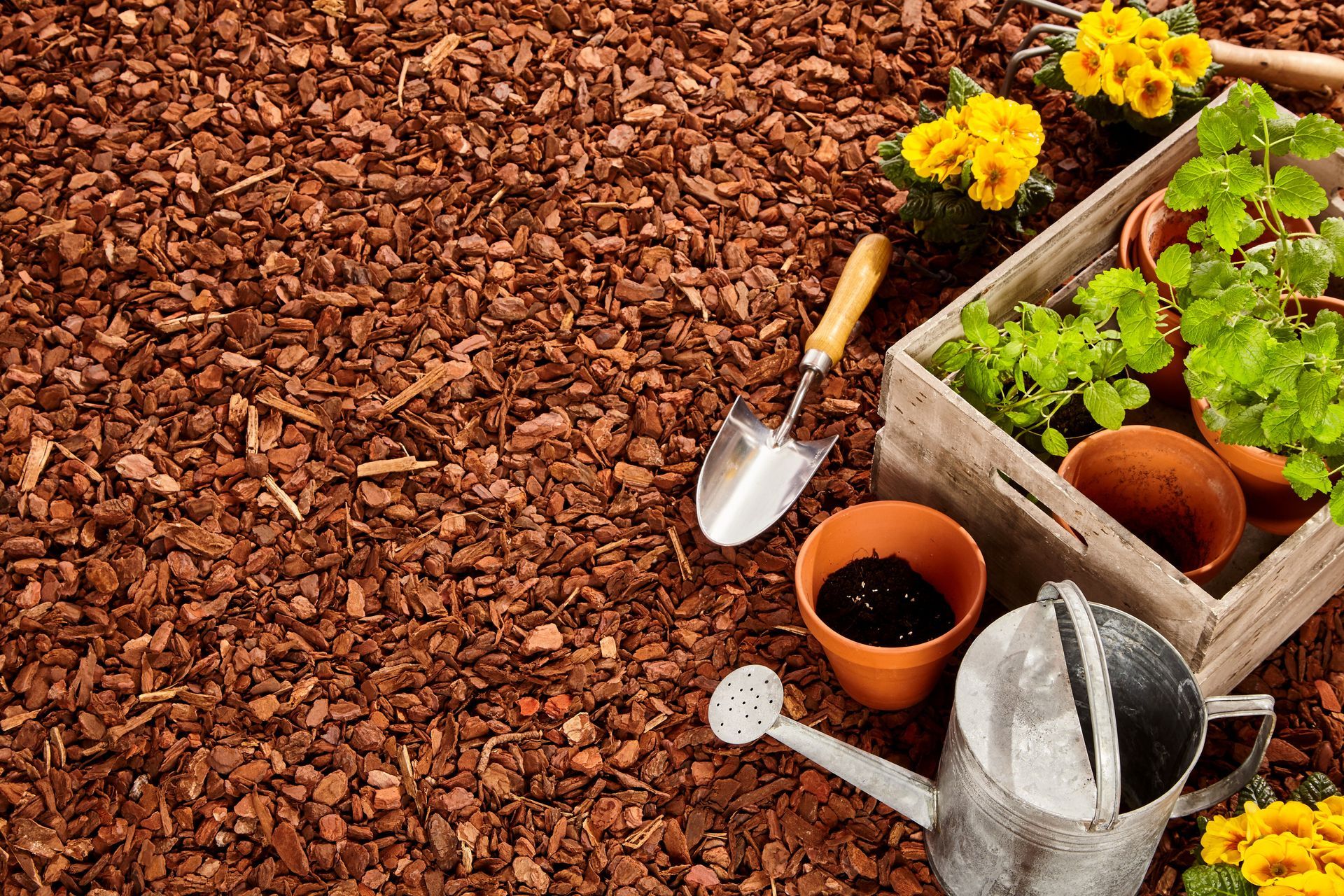
After positioning, the surrounding area can be finished with mulch, decorative gravel, ground cover, or complementary plants. These additions help integrate the stone into the landscape instead of making it appear disconnected from its surroundings. When purchasing rock supplies, homeowners should consider the supporting materials needed to complete the installation. Planning for the entire project helps create a more consistent appearance and reduces the likelihood of needing additional materials later.
Maintaining Boulders and Preserving Their Appearance
Natural stone is generally well suited to outdoor environments, but occasional maintenance can help preserve its appearance. Dirt, organic debris, algae, and other surface buildup may accumulate depending on the stone's location and surrounding conditions. Gentle cleaning with water and an appropriate brush can remove many common deposits without damaging the natural surface. Harsh chemicals should be avoided unless they are confirmed to be compatible with the specific stone.
The surrounding landscape also requires attention. Plants growing around boulders may need occasional trimming to prevent them from completely covering the stones or interfering with their intended visual impact. Mulch and decorative ground coverings may need replenishment as they settle or become displaced. Checking the area periodically can help homeowners identify drainage concerns, soil erosion, or unwanted movement before these issues become more significant.
Changes to the surrounding landscape can also affect how boulders look over time. Mature plants may create additional shade, alter the visual balance, or introduce new textures around previously exposed stones. Homeowners can adjust nearby plantings and decorative materials to maintain a cohesive appearance as the property evolves. Selecting durable materials and planning their placement carefully helps create an outdoor feature that continues contributing to the landscape without demanding extensive upkeep.
Choosing suitable boulders requires attention to natural stone characteristics, proportions, placement, and installation conditions. With thoughtful planning, these landscape features can add dimension, establish visual boundaries, and complement the existing outdoor environment. Explore the available materials at ASAP Stone & Landscape Supply and find the right natural stone options to bring your landscaping project to life.